Explore Advanced Radon Solutions in St. Louis County
- candyellestad
- Nov 10, 2025
- 5 min read
Radon is a silent threat that many homeowners and businesses overlook. It is a naturally occurring radioactive gas that can seep into buildings through cracks and openings in the foundation. Because radon is colorless and odorless, it often goes undetected without proper testing. Over time, exposure to high radon levels can lead to serious health risks, including lung cancer. That’s why understanding radon and how to manage it is crucial for anyone living or working in St. Louis County.
In this post, I will share practical information about radon, explain the importance of radon health solutions, and guide you through the advanced options available to keep your property safe. Whether you are a homeowner or a business operator, this guide will help you take confident steps toward a healthier indoor environment.
Understanding Radon and Its Risks
Radon forms naturally when uranium in soil, rock, and water breaks down. It moves up through the ground and can enter buildings through foundation cracks, gaps around pipes, or even well water. Once inside, radon can accumulate to dangerous levels, especially in poorly ventilated spaces like basements.
The main health concern with radon is its link to lung cancer. According to the Environmental Protection Agency (EPA), radon is the second leading cause of lung cancer in the United States after smoking. The risk increases with higher radon levels and longer exposure times.
Here are some key points to keep in mind:
Radon levels are measured in picocuries per liter (pCi/L).
The EPA recommends action if radon levels exceed 4.0 pCi/L.
Testing is the only way to know your radon level.
Radon can affect any building, regardless of age or construction type.
Testing your home or business is the first step toward protecting your health. It’s simple, affordable, and can provide peace of mind.
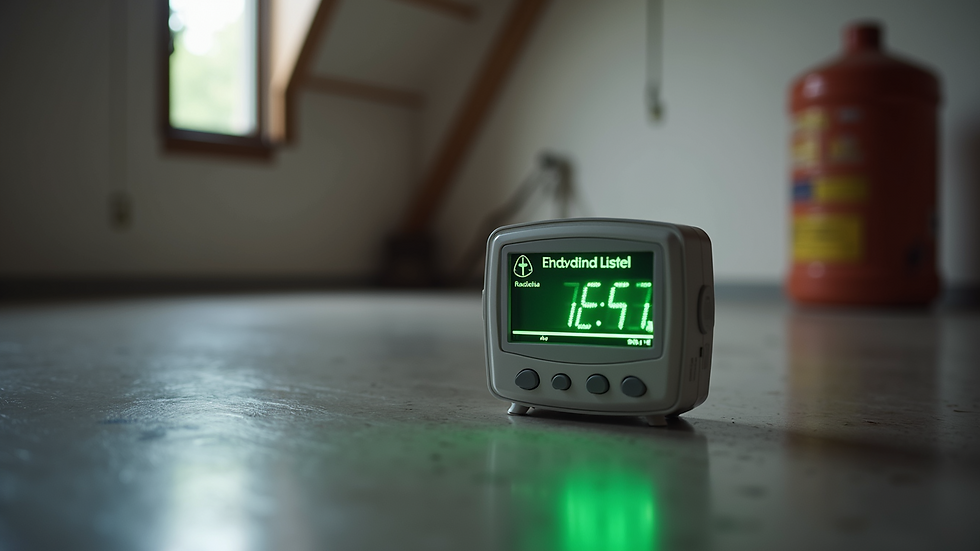
Radon testing device placed on a basement floor to measure indoor radon levels
Why Radon Health Solutions Matter in St. Louis County
St. Louis County has areas with naturally higher radon potential due to its geology. This means that many properties here are at risk of elevated radon levels. Ignoring radon can lead to long-term health problems for your family, employees, or customers.
Radon health solutions are designed to reduce radon levels and improve indoor air quality. These solutions include testing, mitigation systems, and ongoing monitoring. By addressing radon proactively, you can:
Protect your loved ones and employees from harmful radiation.
Increase the value and safety of your property.
Comply with local building codes and regulations.
Avoid costly health issues in the future.
Advanced radon mitigation systems use proven technology to vent radon gas safely outside your building. These systems are customized to fit your property’s unique needs. Whether you have a home, office, or commercial space, there is a solution that works for you.
If you want reliable and effective radon services, consider working with experts who understand the local environment and use the latest technology. For example, advanced radon solutions st. louis county offers comprehensive testing and mitigation tailored to this region.
How Radon Testing Works and What to Expect
Testing for radon is straightforward but requires attention to detail. There are two main types of radon tests:
Short-term tests - These last from 2 to 7 days and provide a quick snapshot of radon levels.
Long-term tests - These last more than 90 days and give a more accurate average radon level over time.
Short-term tests are often used for initial screening, while long-term tests are recommended for a thorough assessment.
Here’s what you can expect during radon testing:
A certified professional will place a radon detector in the lowest livable area of your building.
The detector remains undisturbed for the test period.
After the test, the device is sent to a lab for analysis.
You receive a detailed report with your radon levels and recommendations.
Testing kits are also available for do-it-yourself use, but professional testing ensures accuracy and proper interpretation of results.
If your radon levels are above the EPA action level, the next step is mitigation. This involves installing a system to reduce radon concentrations and keep your indoor air safe.

Radon mitigation system pipe installed along a basement wall to vent radon gas outside
Advanced Radon Mitigation Techniques for Effective Results
Radon mitigation has evolved significantly over the years. Today’s systems are more efficient, quieter, and less intrusive than ever before. The most common and effective method is sub-slab depressurization. This technique involves:
Drilling a small hole in the concrete slab or basement floor.
Installing a pipe that runs from the hole to the outside of the building.
Using a fan to draw radon gas from beneath the slab and vent it safely outdoors.
Other mitigation options include:
Crawl space ventilation - Increasing airflow under the building to reduce radon buildup.
Sealing cracks and openings - Reducing radon entry points to improve system efficiency.
Heat recovery ventilators (HRVs) - Improving overall indoor air quality while controlling radon.
Choosing the right system depends on your building’s design, radon levels, and budget. A professional radon specialist will assess your property and recommend the best approach.
Maintenance is also important. Regular inspections and fan replacements ensure your mitigation system continues to work effectively over time.
Taking Action: Protecting Your Property and Health
If you haven’t tested your property for radon, now is the time. Early detection and mitigation can save lives and prevent costly health issues. Here are some practical steps you can take:
Schedule a professional radon test - Use a certified tester familiar with St. Louis County conditions.
Review your test results carefully - Understand what the numbers mean and when action is needed.
Install a mitigation system if necessary - Choose a trusted provider with experience in advanced radon solutions.
Maintain your system regularly - Keep it running smoothly with periodic checks.
Educate yourself and others - Share information about radon risks and solutions with family, friends, and colleagues.
By taking these steps, you create a safer environment for everyone who spends time in your building.
Radon is a manageable risk. With the right knowledge and support, you can protect your health and enjoy peace of mind.
Moving Forward with Confidence and Safety
Radon may be invisible, but its impact is real. I encourage you to take radon seriously and explore the advanced options available in St. Louis County. Whether you are buying a new property, renovating, or simply want to ensure your current space is safe, radon health solutions are essential.
Remember, testing is the first step. From there, mitigation systems provide a reliable way to reduce radon levels and protect your indoor air quality. Working with professionals who understand local conditions and use modern technology makes all the difference.
If you want expert help, consider reaching out to advanced radon solutions st. louis county. They offer comprehensive services designed to keep your home or business safe from radon.
Taking action today means a healthier tomorrow. Your property and your health deserve nothing less.


Comments