Installing Effective Radon Mitigation Systems in Minnesota Homes and Businesses
- candyellestad
- May 18
- 4 min read
Radon is a silent threat that can affect any building, especially in Minnesota, where soil conditions often lead to higher radon levels. If you’re concerned about radon in your home or business, installing an effective radon mitigation system is the best way to protect your indoor air quality and health. I want to share practical steps and insights on how to install these systems properly, what to expect, and how to choose the right solution for your property.
Radon is a naturally occurring radioactive gas that comes from the breakdown of uranium in soil and rocks. It can seep into buildings through cracks and openings in the foundation. Long-term exposure to radon increases the risk of lung cancer, making it important to test and reduce radon levels when necessary.
Understanding Radon Mitigation Systems
Radon mitigation systems work by reducing radon gas concentrations inside buildings. The most common and effective method is active soil depressurization. This involves installing a vent pipe system and a fan that pulls radon gas from beneath the building and vents it safely outside.
Here are the main components of a typical radon mitigation system:
Sub-slab or sub-membrane suction: A pipe is inserted below the concrete slab or plastic sheeting to collect radon gas.
Fan unit: A radon-rated fan creates suction to draw the gas out.
Vent pipe: The pipe directs radon gas above the roofline, away from windows and air intakes.
Sealing: Cracks and openings in the foundation are sealed to improve system efficiency.
Installing these systems requires careful planning and professional expertise to ensure they work effectively and comply with local building codes.
Choosing the Right Radon Mitigation Service
When selecting a radon mitigation service, look for companies with experience in Minnesota’s specific radon challenges. For example, Advanced Radon Solutions offers comprehensive radon testing and mitigation services tailored to local conditions. Their team uses proven methods and high-quality materials to install systems that last.
One service worth mentioning is the Active Soil Depressurization System by Advanced Radon Solutions. This system uses a powerful fan and sealed piping to reduce radon levels quickly and reliably. You can learn more about their approach on their website: Advanced Radon Solutions.
Step-by-Step Guide to Installing a Radon Mitigation System
If you’re curious about what happens during installation, here’s a general overview of the process:
Radon Testing
Before installation, a professional radon test is conducted to measure radon levels. This helps determine if mitigation is necessary and guides system design.
Site Inspection
The installer inspects the building’s foundation, basement, and crawl spaces to identify entry points and the best location for the system.
Drilling and Pipe Installation
A small hole is drilled into the slab or crawl space floor. A PVC pipe is inserted to collect radon gas from beneath the building.
Fan Installation
The radon fan is installed, usually in the attic or outside, to pull radon gas through the pipe.
Sealing Cracks
All visible cracks and openings in the foundation are sealed with special caulking or foam to prevent radon entry.
Vent Pipe Routing
The vent pipe is routed through the building and extends above the roofline to safely release radon outdoors.
System Testing and Monitoring
After installation, the system is tested to ensure it reduces radon levels effectively. Continuous monitoring may be recommended.
Comparing Radon Mitigation Products and Services
There are several radon mitigation options available, but not all are equally effective. Here’s a brief comparison of two common systems:
Active Soil Depressurization: Uses a fan and vent pipe to pull radon from beneath the building. Most homes and businesses benefit from this method.
Passive Systems: Relies on natural airflow without a fan, such as vent pipes only. This is suitable for new construction or areas with low radon levels.
Active systems, like the one offered by Advanced Radon Solutions, are generally more reliable and can reduce radon levels by up to 99%. Passive systems may not be sufficient in areas with high radon concentrations.
Maintaining Your Radon Mitigation System
Once installed, your radon mitigation system needs regular checks to ensure it continues working well. Here are some tips:
Check the fan operation regularly. You should hear it running or feel vibration.
Inspect the vent pipe for cracks or damage.
Test radon levels every two years or after major renovations.
Replace the fan every five to ten years, depending on usage.
Proper maintenance keeps your indoor air safe and your system efficient.
Why Radon Mitigation Matters in Minnesota
Minnesota has some of the highest radon levels in the United States. The state’s soil and geology make radon a common problem in homes and businesses. Without mitigation, radon can accumulate to dangerous levels indoors.
Installing an effective radon mitigation system protects your family, employees, and customers from this invisible health risk. It also helps maintain property value and peace of mind.
If you want to ensure your building is safe, start with a professional radon test. If levels are high, a mitigation system like the Active Soil Depressurization System from Advanced Radon Solutions is a proven way to reduce radon quickly and reliably.
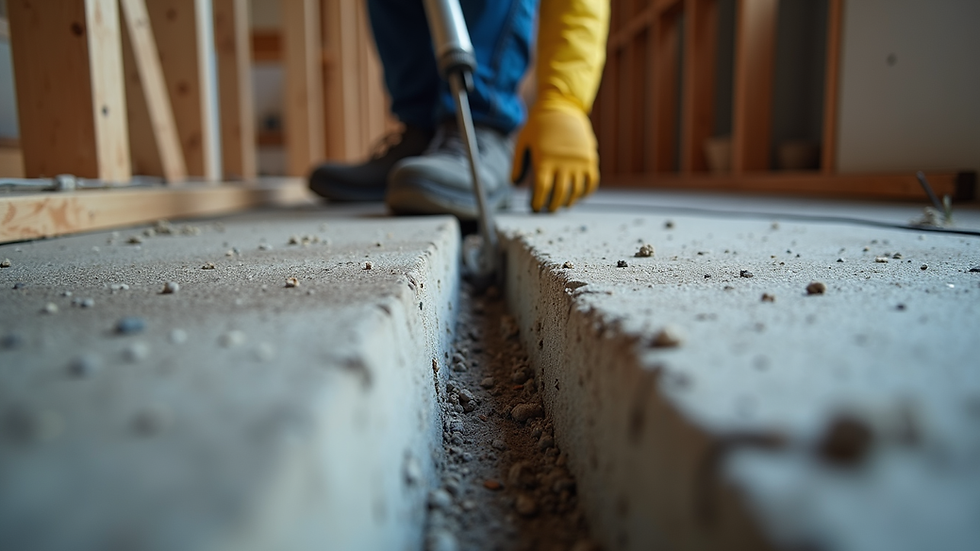
Sealing foundation cracks in the basement to improve radon mitigation system efficiency
Radon mitigation is a smart investment in health and safety. By understanding the process and choosing the right system, you can breathe easier knowing your indoor air is protected. If you suspect radon in your building, don’t wait. Testing and mitigation are the best ways to keep your space safe.
For more information on radon testing and mitigation services in Minnesota, visit Advanced Radon Solutions. They offer expert guidance and reliable systems designed for local conditions.
Take the first step today to reduce radon risks and improve your indoor air quality. Your health and safety are worth it.
Additional Resources on Radon Safety
Understanding radon is crucial for homeowners and businesses. Here are some resources to help you learn more about radon safety:
Radon Awareness: Familiarize yourself with the dangers of radon and how it can affect your health.
Testing Kits: Consider purchasing a radon testing kit to monitor levels in your home or business.
Local Regulations: Stay informed about Minnesota's regulations regarding radon testing and mitigation.
By taking these steps, you can ensure a safer environment for yourself and those around you. Remember, knowledge is power when it comes to protecting your indoor air quality.


Comments