Advanced Radon Solutions St Louis County: Protecting Your Home and Business
Radon is a silent threat that many homeowners and businesses in St. Louis County face. This naturally occurring radioactive gas can seep into buildings through cracks and openings in the foundation. Without proper detection and mitigation, radon exposure can lead to serious health risks, including lung cancer. I want to share with you some advanced solutions for radon in St. Louis that can help keep your indoor environment safe and healthy.
Understanding Radon and Its Risks in St. Louis County
Radon is produced by the natural decay of uranium in soil, rock, and water. It is colorless, odorless, and tasteless, making it impossible to detect without specialized equipment. In St. Louis County, the geology and soil composition make certain areas more prone to higher radon levels. This means that even if your home or business looks solid and well-maintained, radon could still be present.
The main risk of radon comes from long-term exposure to elevated levels. When radon gas accumulates indoors, it can be inhaled and damage lung tissue. The Environmental Protection Agency (EPA) recommends action if radon levels exceed 4 picocuries per liter (pCi/L). Testing is the only way to know if your property has a radon problem.
Radon Solutions St Louis County: What Are Your Options?
When it comes to radon solutions in St. Louis County, there are several effective methods to reduce radon levels. The right approach depends on your building’s design, foundation type, and radon concentration. Here are some of the most common and advanced solutions:
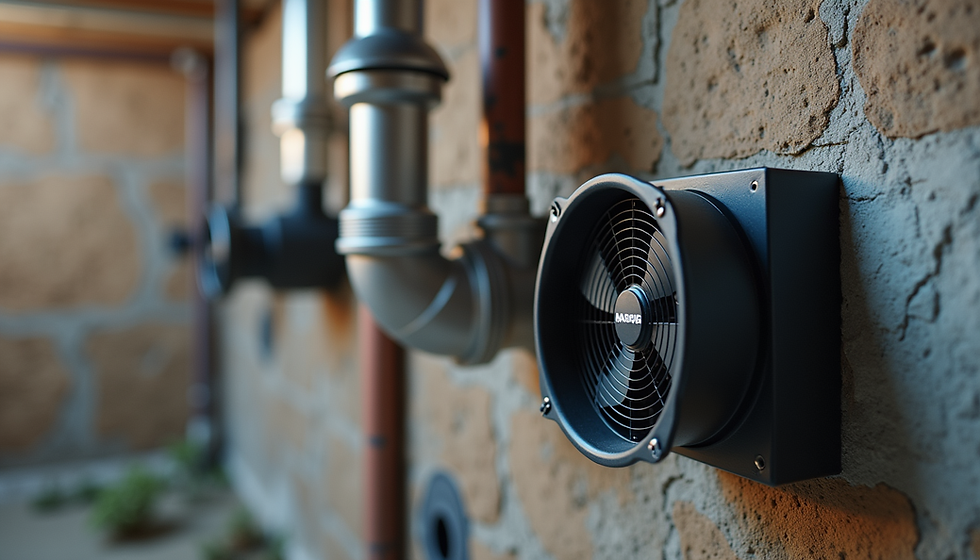
Sub-slab Depressurization: This is the most widely used method. It involves installing a vent pipe and fan system beneath the foundation slab to draw radon gas out before it enters the building.
Sealing Cracks and Openings: While sealing alone is not enough, it helps improve the effectiveness of other mitigation systems by reducing radon entry points.
Crawl Space Ventilation: For homes with crawl spaces, increasing ventilation or installing a vapor barrier can reduce radon levels.
Heat Recovery Ventilators (HRVs): These systems improve indoor air quality by exchanging stale indoor air with fresh outdoor air while conserving energy.
Basement Pressurization: This method uses a fan to create positive pressure in the basement, preventing radon from entering.
Each of these solutions requires professional assessment and installation to ensure they work correctly. I recommend working with certified radon mitigation specialists who understand the unique challenges of St. Louis County properties.

In What Month Is Radon Highest?
Radon levels can fluctuate throughout the year, but in St. Louis County, the highest radon concentrations typically occur during the colder months. This is mainly because homes and businesses are sealed tightly to conserve heat, reducing natural ventilation. From late fall through early spring, radon gas can build up more easily indoors.
During these months, heating systems create a stack effect, drawing radon from the soil into the building. It is especially important to test for radon during this period to get an accurate reading of your exposure risk. If you haven’t tested your property yet, consider doing so in the fall or winter for the most reliable results.
Why Choose Advanced Radon Solutions in St. Louis County?
Choosing the right radon mitigation company is crucial. You want a team that uses the latest technology and follows industry best practices. Advanced Radon Solutions in St. Louis County offers comprehensive testing and mitigation services tailored to your specific needs.
They use state-of-the-art equipment to detect radon levels accurately and design customized systems that effectively reduce radon concentrations. Their technicians are trained and certified, ensuring that installations meet all safety and quality standards.
If you are looking for reliable and effective radon mitigation, I suggest exploring Advanced Radon Solutions for expert assistance. Their commitment to customer satisfaction and safety makes them a trusted choice in the region.

Practical Steps to Reduce Radon Exposure Today
While professional mitigation is the best long-term solution, there are some practical steps you can take immediately to reduce radon exposure:
Test Your Property: Use a DIY radon test kit or hire a professional to measure radon levels.
Increase Ventilation: Open windows and use fans to improve air circulation, especially in basements and crawl spaces.
Seal Entry Points: Check for cracks in floors and walls and seal them with appropriate materials.
Maintain HVAC Systems: Ensure your heating and cooling systems are functioning properly to help control indoor air quality.
Monitor Radon Levels Regularly: Radon levels can change over time, so periodic testing is important.
Taking these steps can help you reduce radon risks while you plan for professional mitigation.
Staying Safe with Ongoing Radon Awareness
Radon is a serious concern, but it is manageable with the right knowledge and actions. Staying informed about radon risks and solutions is key to protecting your home or business. Regular testing, professional mitigation, and simple preventive measures can make a significant difference.
Remember, radon is invisible but not invincible. By addressing it proactively, you ensure a safer environment for everyone inside your property. If you suspect radon might be an issue, don’t wait. Reach out to experts and take control of your indoor air quality today.
I hope this guide helps you understand the importance of advanced radon solutions in St. Louis and encourages you to take the necessary steps to safeguard your space. Your health and peace of mind are worth it.

Comments