Comprehensive Solutions for Radon in St. Louis County: Understanding Radon Health Concerns
- candyellestad
- Apr 21
- 3 min read
Radon is a silent threat that many homeowners and businesses in St. Louis County may not fully understand. This naturally occurring radioactive gas can seep into buildings through cracks and openings in the foundation. Because radon is colorless and odorless, it often goes undetected without proper testing. Over time, exposure to elevated radon levels can lead to serious health issues, including lung cancer. In this post, I will walk you through the essential information about radon health concerns, how to detect radon, and the comprehensive solutions available to keep your indoor environment safe.
What Are Radon Health Concerns?
Radon is the second leading cause of lung cancer after smoking. The Environmental Protection Agency (EPA) estimates that radon causes about 21,000 lung cancer deaths annually in the United States. The risk increases with higher radon levels and longer exposure times.
Radon gas originates from the natural decay of uranium in soil, rock, and water. In St. Louis County, the geology makes some homes and buildings more susceptible to radon infiltration. When radon accumulates indoors, it can reach dangerous concentrations. Breathing in radon decay products damages lung tissue, which can eventually lead to cancer.
Understanding these health concerns is the first step toward protecting your family or employees. Testing your property for radon is crucial because you cannot see or smell it. If high levels are found, mitigation measures can significantly reduce radon concentrations and lower health risks.

How to Test for Radon in Your Property
Testing for radon is straightforward and affordable. There are two main types of radon tests: short-term and long-term.
Short-term tests last from 2 to 7 days and provide quick results. They are useful for initial screening.
Long-term tests last more than 90 days and give a more accurate picture of average radon levels over time.
You can purchase radon test kits online or at hardware stores. Alternatively, hiring a certified radon professional ensures proper placement and handling of the test devices.
When testing, place the device in the lowest livable area of your home or business, such as a basement or ground floor. Avoid kitchens, bathrooms, and areas with high humidity. After the test period, send the device to a lab for analysis or use a digital monitor for instant readings.
If your radon levels exceed the EPA action level of 4 picocuries per liter (pCi/L), it is time to consider mitigation.
Effective Radon Mitigation Techniques
Mitigating radon involves reducing the gas concentration inside your building. Several proven methods can help achieve this:
Sub-slab Depressurization
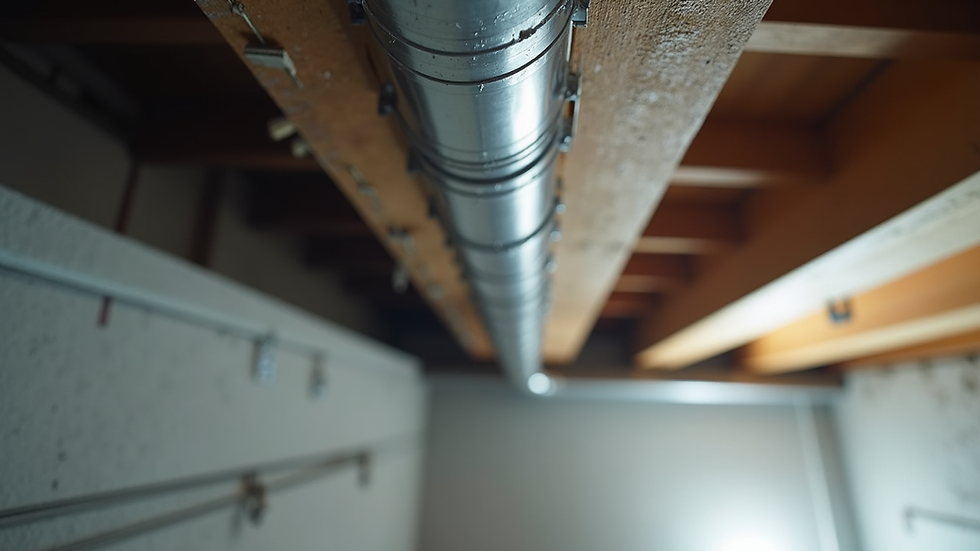
This is the most common and effective method. It involves installing a vent pipe system and fan to draw radon from beneath the foundation and release it outside, away from windows and air intakes.
Sealing Cracks and Openings
Sealing foundation cracks and gaps reduces radon entry points. While sealing alone is not enough, it complements other mitigation methods.
Improving Ventilation
Increasing air exchange in your home or business can dilute radon levels. This can be done by installing heat recovery ventilators (HRVs) or simply increasing natural ventilation.
Crawl Space Ventilation
For buildings with crawl spaces, ventilating or sealing the crawl space can reduce radon infiltration.
Each property is unique, so a professional radon mitigation specialist will assess your building and recommend the best solution. For those in the St. Louis County area, I recommend consulting with www.advancedradonsolutions.net for expert advice and service.
Maintaining a Radon-Safe Environment
After mitigation, it is important to maintain your radon system and continue monitoring radon levels. Here are some tips to keep your indoor air safe:
Regular Testing: Test your property every 2 years or after major renovations.
System Maintenance: Check that fans and pipes are functioning properly. Replace fans every 5-10 years as needed.
Seal New Openings: If you add new plumbing or wiring, seal any new cracks or openings.
Educate Occupants: Make sure everyone understands the importance of radon safety and how to report issues.
By staying vigilant, you can ensure your home or business remains a healthy place to live and work.
Taking Action for Peace of Mind
Radon is a serious health concern, but it is manageable with the right knowledge and actions. Testing is the first step, followed by professional mitigation if needed. With comprehensive solutions, you can protect your loved ones and employees from the dangers of radon exposure.
If you suspect radon might be an issue in your property, don’t wait. Reach out to trusted experts who specialize in radon testing and mitigation. Their experience and technology will give you peace of mind and a safer indoor environment.
Remember, radon is invisible but not invincible. Taking proactive steps today can prevent health problems tomorrow. Stay informed, stay safe, and breathe easier knowing you have addressed radon health concerns effectively.


Comments