Understanding Radon Health Risks in St. Louis: Advanced Radon Solutions for St. Louis County Homes
Radon is a silent threat lurking in many homes, especially in areas like St. Louis County. As someone who cares deeply about the safety and well-being of homes, I want to share clear, practical information about radon, its health risks, and the advanced solutions available to protect your home. Radon is a naturally occurring radioactive gas that can seep into buildings through cracks and openings in the foundation. It is colorless, odorless, and tasteless, making it impossible to detect without proper testing.
Understanding radon and how to manage it is crucial for anyone living in or owning property in St. Louis County. This post will guide you through the health risks associated with radon, common misconceptions, and the latest methods to keep your home safe.
Radon Health Risks in St. Louis
Radon exposure is the second leading cause of lung cancer after smoking. The Environmental Protection Agency (EPA) estimates that radon causes about 21,000 lung cancer deaths annually in the United States. St. Louis County, with its unique geology, has areas where radon levels can be particularly high.
Radon gas enters homes through cracks in floors, walls, and gaps around pipes. Once inside, it accumulates, especially in lower levels like basements and crawl spaces. Long-term exposure to elevated radon levels increases the risk of lung cancer. The risk is higher for smokers but is significant even for non-smokers.
To put it simply:
Radon is invisible but dangerous.
It accumulates indoors, especially in poorly ventilated spaces.
Testing is the only way to know if your home has a radon problem.
Mitigation can reduce radon levels effectively.
If you live in St. Louis County, it’s wise to test your home for radon regularly. Testing kits are affordable and easy to use, or you can hire professionals for more accurate results.

How Radon Enters Homes and Why Testing Matters
Radon originates from the natural decay of uranium in soil and rocks. In St. Louis County, the soil composition and underground rock formations can release radon gas, which then migrates upward through the ground. When it finds a way into your home, it can build up to dangerous levels.
Common entry points include:
Cracks in concrete slabs or walls
Construction joints
Gaps around service pipes
Floor drains
Crawl spaces
Because radon is a gas, it moves freely and can accumulate without any visible signs. This is why testing is essential. Short-term tests (2-7 days) can give a quick snapshot, while long-term tests (90 days to a year) provide a more accurate picture of average radon levels.
Regular testing is especially important if you:
Have a basement or crawl space
Live in an area known for high radon levels
Are buying or selling a home
Testing is the first step toward protecting your family’s health.
Is Radon Overblown?
Some people wonder if radon risks are exaggerated. It’s true that radon doesn’t cause immediate symptoms, and its effects develop over years. However, the scientific consensus is clear: radon is a serious health hazard.
Radon exposure is cumulative, meaning the longer you are exposed to high levels, the greater the risk. Unlike other hazards, radon is invisible and odorless, so it can go unnoticed until it causes harm. Ignoring radon is like ignoring a slow leak in your home’s foundation - it may seem harmless at first but can cause serious damage over time.
The good news is that radon risks are manageable. Testing and mitigation are proven, effective ways to reduce radon levels and protect your home. It’s not about fear but about being informed and proactive.
Advanced Radon Mitigation Techniques for St. Louis County Homes
Once you know your radon levels, the next step is mitigation if levels are above the EPA action level of 4 picocuries per liter (pCi/L). Modern radon mitigation systems are highly effective and can reduce radon levels by up to 99%.
Here are some advanced radon solutions commonly used in St. Louis County:
Sub-slab Depressurization
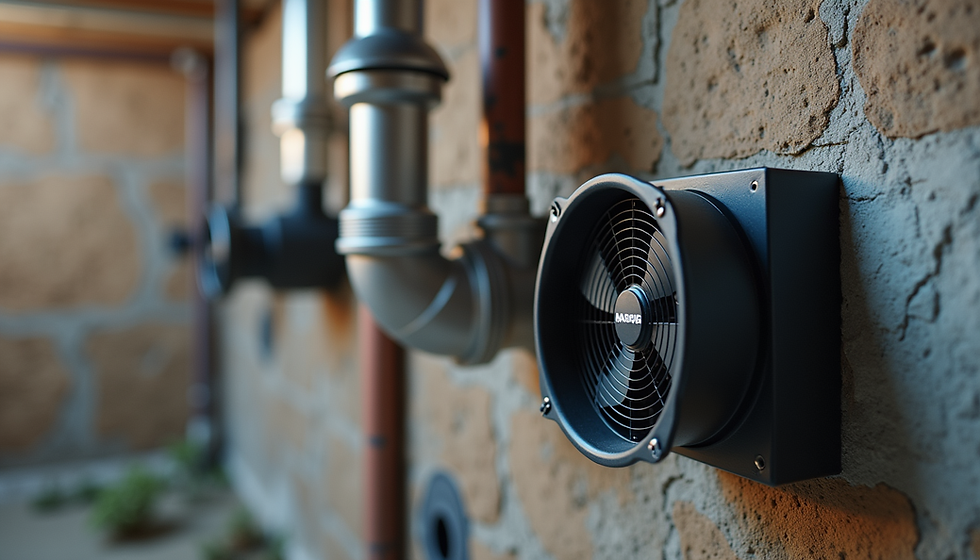
This is the most common and effective method. A vent pipe system and fan are installed beneath the foundation slab to draw radon gas from under the house and vent it safely outside.
Crawl Space Ventilation
For homes with crawl spaces, increasing ventilation or installing a vapor barrier can reduce radon entry.
Sealing Cracks and Openings
While sealing alone is not enough, it helps improve the effectiveness of other mitigation systems.
Heat Recovery Ventilators (HRVs)
These systems improve indoor air quality by exchanging indoor air with fresh outdoor air while conserving energy.
Active Soil Depressurization
Similar to sub-slab depressurization but used in homes with different foundation types.
Choosing the right system depends on your home’s design and radon levels. Professional radon mitigators can assess your home and recommend the best solution.
If you want to explore options, I recommend looking into advanced radon solut st. louis county for expert guidance and service.
Maintaining a Radon-Safe Home Over Time
Installing a mitigation system is not the end of the journey. Radon levels can change due to home renovations, changes in ventilation, or natural shifts in the soil. Regular testing after mitigation is essential to ensure your system is working properly.
Here are some tips to maintain a radon-safe home:
Test your home every 2 years or after major renovations.
Keep your mitigation system running continuously.
Schedule professional inspections annually.
Monitor radon levels with continuous radon monitors if possible.
Seal new cracks or openings promptly.
By staying vigilant, you can keep your home safe and your family protected.
Taking Action Today for a Safer Tomorrow
Radon is a serious but manageable risk. Understanding the health risks, testing your home, and using advanced radon mitigation techniques can make a significant difference. St. Louis County homes are not immune to radon, but with the right knowledge and tools, you can create a safe living environment.
If you haven’t tested your home yet, I encourage you to do so. If your radon levels are high, don’t delay in seeking professional help. The peace of mind that comes from knowing your home is safe is well worth the effort.
Remember, radon is invisible but not invincible. With the right approach, you can protect your home and loved ones from this hidden danger. Stay informed, stay proactive, and take control of your home’s air quality today.

Comments