Installing a Radon Mitigation System for a Healthier Home
Radon is a silent threat that can affect the air quality in your home. It is a naturally occurring radioactive gas that seeps into buildings from the soil. Because radon is invisible and odorless, many homeowners do not realize they have a problem until it is too late. Installing a radon mitigation system is a crucial step to protect your family’s health and ensure your home is safe. In this post, I will walk you through everything you need to know about radon, why mitigation is important, and how to get started with a radon mitigation system.
Understanding Radon and Its Risks
Radon forms when uranium in soil, rock, and water breaks down naturally. It can enter your home through cracks in the foundation, gaps around pipes, or other openings. Once inside, radon can accumulate to dangerous levels, especially in lower areas like basements and crawl spaces.
Long-term exposure to high radon levels increases the risk of lung cancer. In fact, radon is the second leading cause of lung cancer after smoking. The risk is even higher for smokers who are exposed to radon. Because radon exposure is a health hazard, it is important to test your home regularly and take action if levels are elevated.
Testing for radon is simple and affordable. You can purchase a radon test kit or hire a professional to conduct the test. The Environmental Protection Agency (EPA) recommends taking action if radon levels are 4 picocuries per liter (pCi/L) or higher.

How a Radon Mitigation System Works
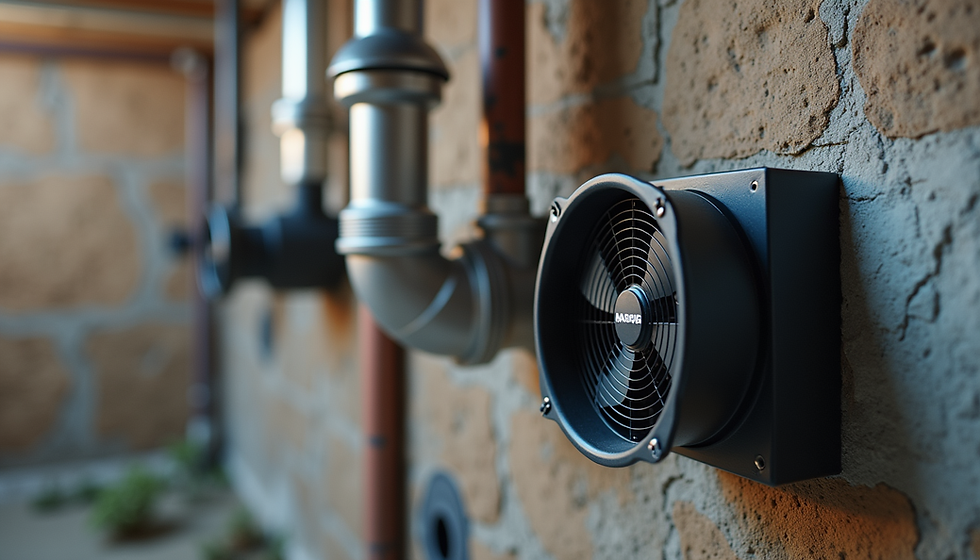
A radon mitigation system reduces radon levels by preventing the gas from entering your home or by venting it safely outside. The most common type of system is called a sub-slab depressurization system. This system involves installing a pipe and fan that pull radon gas from beneath the foundation and release it above the roofline, where it can disperse harmlessly.
Other methods include sealing cracks and openings in the foundation and improving ventilation. However, sealing alone is not enough to reduce radon to safe levels. The combination of sealing and active venting is the most effective approach.
A professional will assess your home’s structure and radon levels to design a system tailored to your needs. The installation process usually takes a few hours and causes minimal disruption.
If you want to learn more about the details of mitigation system installation, you can visit the link for a comprehensive guide.

What's the average cost to install a radon mitigation system?
The cost of installing a radon mitigation system varies depending on several factors, including the size and design of your home, the type of system needed, and local labor rates. On average, homeowners can expect to pay between $800 and $1,500 for a professionally installed system.
Here are some factors that influence the cost:
Home size and foundation type: Larger homes or those with complex foundations may require more extensive work.
System type: Sub-slab depressurization is the most common and generally the most affordable. Other systems may cost more.
Accessibility: If the installation area is difficult to access, labor costs may increase.
Additional repairs: Sealing cracks or fixing foundation issues can add to the total cost.
While the upfront cost may seem significant, consider the long-term health benefits and potential savings on medical expenses. Many states and local governments offer rebates or financial assistance for radon mitigation, so it’s worth checking for programs in your area.
Steps to Take Before and After Installation
Before installation, it’s important to test your home for radon levels. You can do this yourself with a test kit or hire a certified professional. If the results show elevated radon, schedule a consultation with a radon mitigation specialist.
During the installation, the technician will:
Inspect your home’s foundation and structure.
Determine the best location for the vent pipe and fan.
Install the system components, including sealing entry points.
Test the system to ensure it is working properly.
After installation, you should:
Retest your home to confirm radon levels have dropped.
Maintain the system by checking the fan regularly and replacing it if needed.
Keep an eye on any changes in your home’s structure that might affect the system’s performance.
Regular testing every two years is recommended to ensure your home remains safe.
Why Professional Installation Matters
While DIY solutions might seem tempting, radon mitigation requires expertise to be effective. A professional installer has the training and experience to:
Accurately assess radon levels and home conditions.
Design a system that fits your specific needs.
Ensure the system complies with local building codes and safety standards.
Provide warranties and ongoing support.
Choosing a certified radon mitigation professional gives you peace of mind that your home is protected. It also helps avoid costly mistakes that could leave your family exposed to radon.
Taking Control of Your Home’s Air Quality
Installing a radon mitigation system is a proactive step toward a healthier living environment. Radon is a serious health risk, but it is also manageable with the right approach. By testing your home, understanding the options, and working with professionals, you can reduce radon levels and breathe easier.
Remember, radon is a hidden danger that can be controlled. Don’t wait for symptoms or health issues to appear. Take action today to protect your home and loved ones.
If you suspect radon might be an issue in your home, start with a test. From there, a radon mitigation system can provide a reliable solution to keep your indoor air safe and clean.
Thank you for reading. I hope this guide helps you understand the importance of radon mitigation and encourages you to take the necessary steps for a healthier home.

Comments