Ensuring Safety with Advanced Radon Exposure Solutions
Radon is a silent threat that can affect any home or business. It is a naturally occurring radioactive gas that you cannot see, smell, or taste. Yet, it poses serious health risks if it accumulates indoors. I want to share how advanced radon exposure solutions can help protect your property and loved ones. Understanding radon and taking action is the first step toward a safer environment.
Understanding Radon Exposure Solutions
Radon forms when uranium in soil, rock, and water breaks down naturally. It can seep into buildings through cracks and openings in the foundation. Once inside, radon can build up to dangerous levels, especially in poorly ventilated spaces. The Environmental Protection Agency (EPA) recommends action if radon levels exceed 4 picocuries per liter (pCi/L).
To address this, radon exposure solutions focus on detection and mitigation. Testing is the first step. You can use short-term or long-term radon test kits to measure levels. Professional testing services provide accurate results and peace of mind.
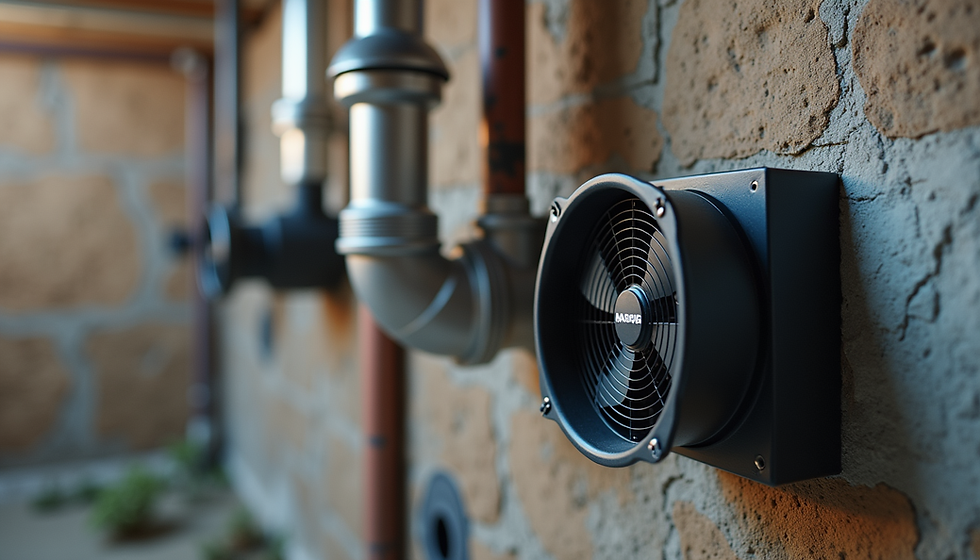
If high radon levels are found, mitigation systems can reduce radon concentrations. These systems often involve venting radon gas from beneath the building to the outside air. Common methods include:
Sub-slab depressurization: A pipe and fan system that pulls radon from under the foundation.
Sealing cracks and openings: Reducing radon entry points.
Improving ventilation: Increasing air exchange to dilute radon indoors.
Each property is unique, so solutions are tailored to fit the building’s design and radon levels. I recommend consulting experts who specialize in radon mitigation to ensure the best results.

Is radon overblown?
Some people wonder if radon risks are exaggerated. It is true that radon is invisible and often overlooked. However, scientific studies have shown a clear link between radon exposure and lung cancer. Radon is the second leading cause of lung cancer after smoking.
The risk depends on the level of radon and the length of exposure. For example, a home with radon levels above 4 pCi/L over many years increases the risk significantly. Smokers exposed to radon face an even higher risk.
Ignoring radon is not a safe choice. Testing is simple and affordable. Mitigation systems are effective and can lower radon levels by up to 99%. Taking these steps is a practical way to protect health without unnecessary worry.
How to Choose the Right Radon Mitigation System
Choosing the right radon mitigation system depends on several factors. The type of building, foundation, and radon levels all influence the best approach. Here are some tips to guide your decision:
Get a professional assessment: A certified radon specialist can inspect your property and recommend solutions.
Consider the foundation type: Homes with basements may need sub-slab depressurization, while slab-on-grade homes might require different methods.
Look for energy efficiency: Some mitigation systems can increase energy costs. Ask about options that balance radon reduction and energy use.
Check for warranties and maintenance: Reliable systems come with guarantees and require minimal upkeep.
Ask about local regulations: Some areas have specific codes for radon mitigation.
By following these steps, you can select a system that fits your needs and budget. Remember, the goal is to create a safe indoor environment with long-term radon control.
The Role of Advanced Technology in Radon Safety
Technology has improved radon detection and mitigation significantly. Modern radon detectors provide continuous monitoring and real-time data. This allows homeowners and businesses to track radon levels easily and respond quickly if they rise.
Advanced mitigation systems use smart fans and sensors to optimize performance. These systems adjust automatically to changing conditions, ensuring radon stays low without wasting energy.
For those in Minnesota, I recommend exploring advancedradonsolutions.net for expert services. They combine cutting-edge technology with experienced technicians to deliver reliable radon safety solutions.

Maintaining Radon Safety Over Time
Radon safety is not a one-time effort. Regular testing and maintenance are essential to keep radon levels low. Here are some practical tips to maintain a safe environment:
Test your property every 2 years or after major renovations.
Inspect mitigation systems annually to ensure fans and pipes are working properly.
Seal new cracks or openings that may develop over time.
Keep ventilation systems clean and functional.
Educate family members or employees about radon risks and safety measures.
By staying vigilant, you can prevent radon from becoming a hidden danger. It is a small investment of time and effort for lasting peace of mind.
Taking Action for a Safer Space
Radon exposure solutions are essential for protecting health and property. Testing, mitigation, and ongoing maintenance work together to reduce risks. With the right knowledge and support, you can create a safe indoor environment.
If you suspect radon in your home or business, don’t wait. Reach out to professionals who specialize in radon safety. They will guide you through testing and recommend the best mitigation options.
Remember, radon is a natural hazard, but it is manageable. Advanced radon exposure solutions provide effective tools to keep your space safe. Taking action today means a healthier tomorrow.

Comments